UNFPA/Caritas Zambia PRESS RELEASE | MONGU, ZAMBIA – June 16, 2026
EmpowerED Project: Local Menstrual Hygiene Manufacturing as a Catalyst for Girls' Education and Autonomy
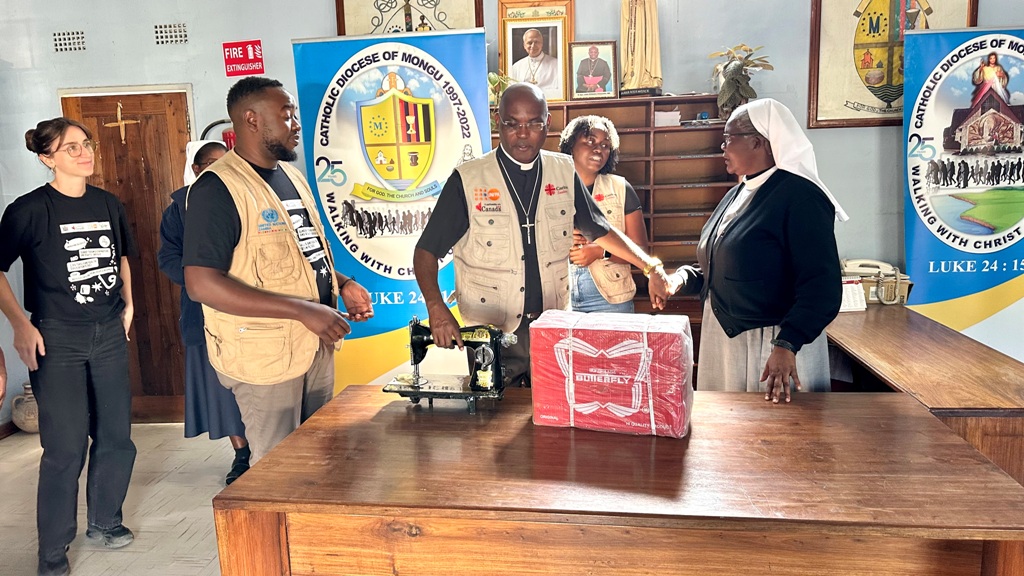
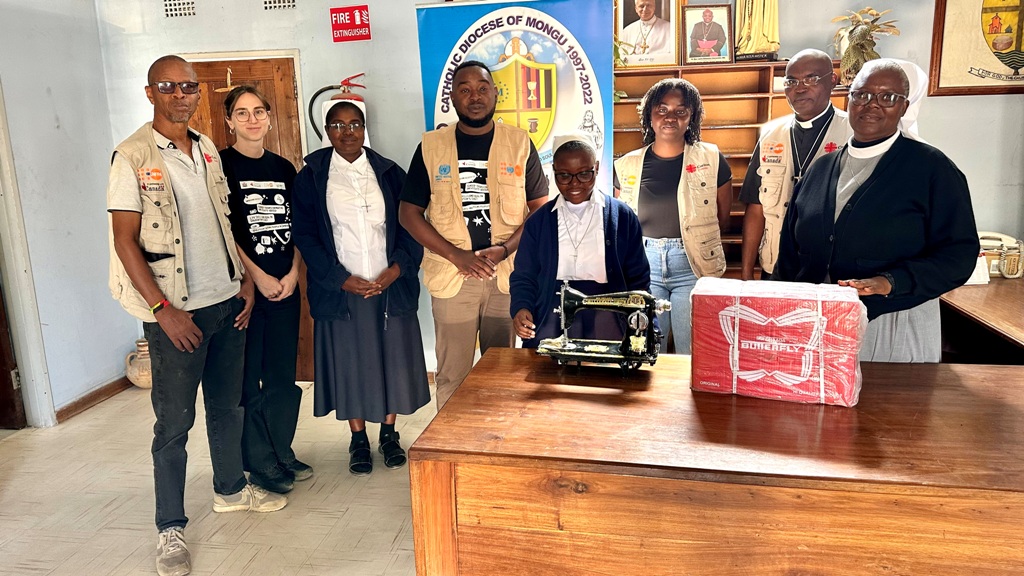
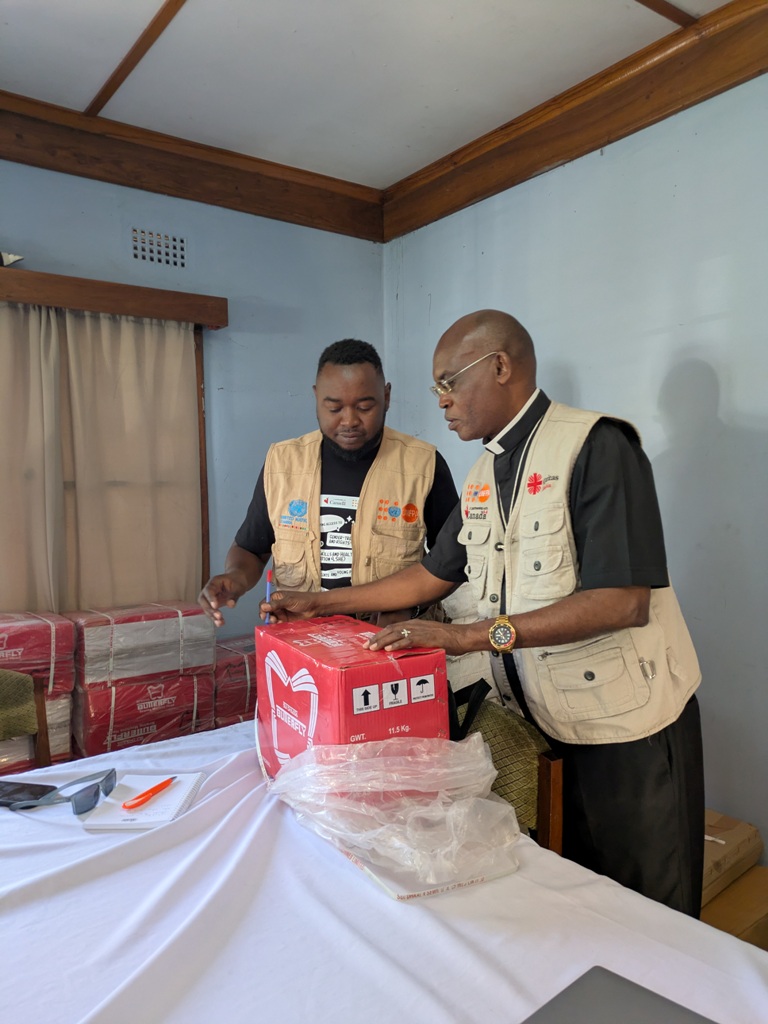
MONGU, ZAMBIA – June 16, 2026 – UNFPA, the United Nations Population Fund, in collaboration with Caritas Zambia, has handed over specialized production machinery for reusable sanitary pads to the Catholic Bishop’s Office at the Mongu Diocese. Funded by the Government of Canada through the EmpowerED Programme, this initiative aims to promote menstrual hygiene by providing accessible, reusable sanitary wear to girls across targeted Catholic schools in the Western Province.
The support will enhance a sustainable, community-led model for local reusable sanitary wear production. By removing a major barrier to education, this model enables adolescent girls to attend school regularly and comfortably, ultimately improving classroom retention and health outcomes.
Globally, over 620 million children lack basic sanitation services at school, which directly cuts short a girl's education the moment she reaches puberty. In sub-Saharan Africa, an average of 31% of adolescent girls miss school entirely during their periods due to a lack of affordable sanitary materials and private spaces. National baseline data shows that poverty and early school dropout are major structural drivers of early marriage and health vulnerabilities among adolescent girls aged 15 - 19.
Menstrual hygiene challenges are a critical but often overlooked entry point into the “Triangle of Harm”, the intersectional risk of adolescent pregnancy, HIV/STIs, and Gender-Based Violence (GBV) that continues to affect young people. Limited access to affordable menstrual products forces many adolescent girls to miss school or drop out entirely, increasing their exposure to early marriage, transactional sex, and unsafe environments directly associated with these heightened risks.
Speaking during the official handover ceremony, Mr. Leonard Zulu, UNFPA Youth Development Analyst, noted that, “By providing sustainable ways of producing reusable sanitary wear, the EmpowerED program is allowing young people to stay in school even when their periods have started.”
Caritas Zambia is “proud to partner with UNFPA under the EmpowerED framework, a collaboration that reaffirms the progressive role religious networks play in social development, significantly boosting school retention and overall health outcomes," added Ms. Joy Katayi, Assistant Program Officer for Child Protection at Caritas Zambia.
The Rev. Dr. Fr. Wilfred Houari, Diocesan Education Secretary at the Catholic Bishop’s Office in the Mongu Diocese, reaffirmed the Church's commitment: “The Catholic Church is here to serve its community. With over 500 schools across the country and 17 in Mongu, the Catholic Diocese will make good use of the sewing machines and ensure they serve and empower girls.”
Faith-based organizations manage 15% to 25% of the infrastructure that delivers essential education and healthcare across Zambia, particularly within hard-to-reach rural communities. The EmpowerED Programme utilizes this profound reach, leveraging safeguarding policies and age-appropriate Life Skills and Health Education (LSHE) within faith-based learning institutions.
True development happens when we move beyond short-term handouts toward industrial self-reliance. Localizing pad manufacturing inside the diocese creates a sustainable cycle of care that directly addresses school dropout rates, honors the social teachings of the Church, and upholds the inherent human dignity of our girls.
UNFPA and Caritas Zambia will continue to accelerate system-strengthening activities, monitor institutionalized child safeguarding, and provide local communities with disaggregated data to ensure zero gaps in service delivery.
About UNFPA: UNFPA is the United Nations sexual and reproductive health agency. Our mission is to deliver a world where every pregnancy is wanted, every childbirth is safe and every young person's potential is fulfilled.
About Caritas Zambia: Caritas Zambia is the social development wing of the Catholic Church in Zambia, dedicated to fostering human dignity, justice, peace and community empowerment through its robust local diocesan and educational networks.
Media Contacts:
UNFPA
Name: Christabel Chengo Chabwela
Title: Communications Analyst
Email Address: This email address is being protected from spambots. You need JavaScript enabled to view it.
Caritas Zambia
Name: Chibesa Ngulube Ngwira
Title: Knowledge Management Specialist
Email Address: This email address is being protected from spambots. You need JavaScript enabled to view it.
Download the entire copy of the EmpowerED Project: Local Menstrual Hygiene Manufacturing as a Catalyst for Girls' Education and Autonomy Press Release here: https://caritaszambia.org/phocadownload/general/UNFPA-Caritas-Press-Release-km.pdf